MOAB, UTAH

Island in the Sky:
Canyonlands' Most Iconic District
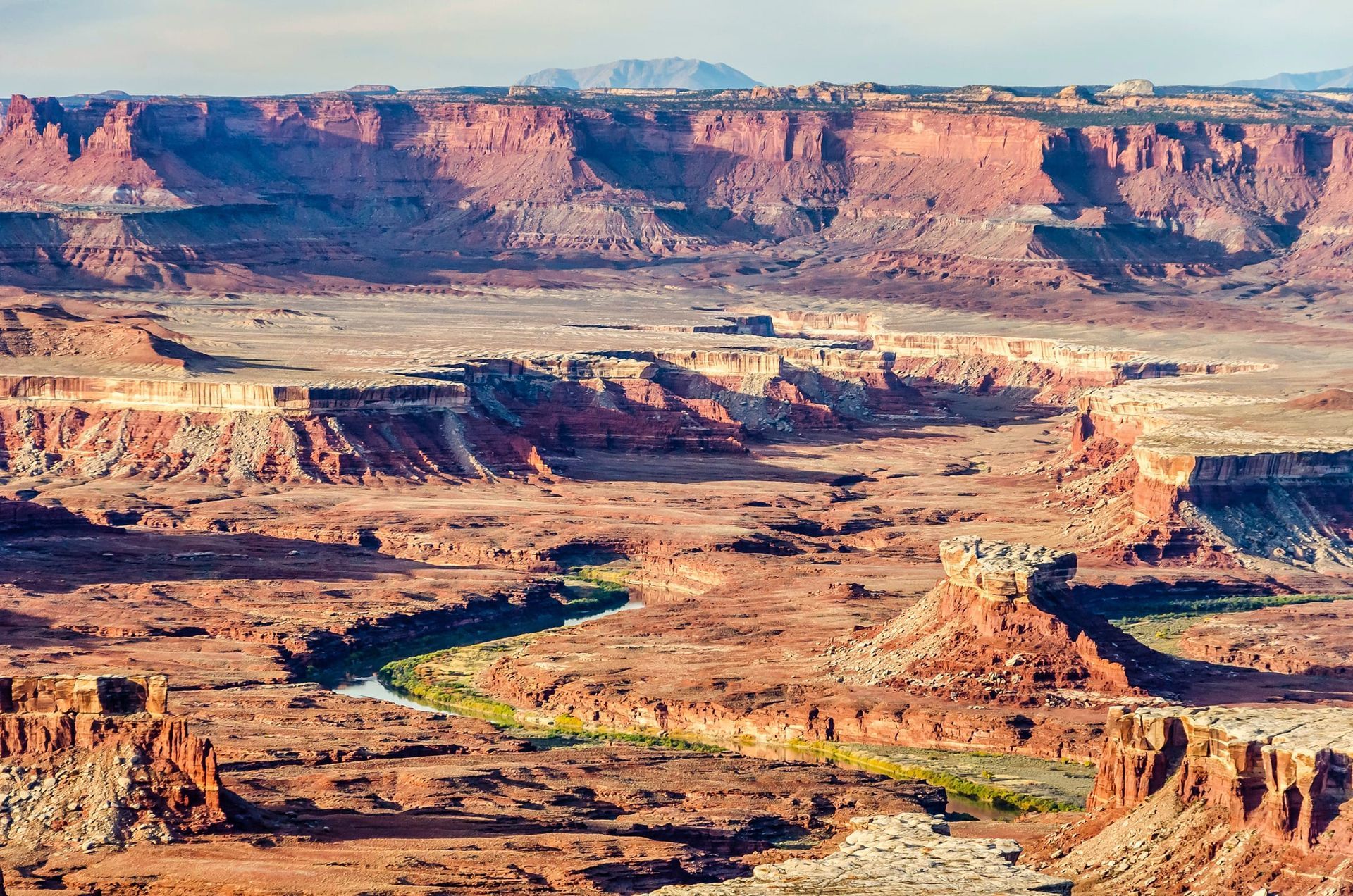
Stand at the edge of Grand View Point, and the ground drops away a thousand feet in every direction. The Colorado River cuts through the canyon below, invisible from where you stand, running somewhere in the dark stone labyrinth between you and the horizon. Island in the Sky earns its name.
This is the most accessible district in Canyonlands National Park and the best starting point for anyone visiting the park for the first time. It sits 32 miles from Moab on a paved road, offers sweeping viewpoints within steps of a parking area, and packs more visual drama per square mile than almost anywhere in Utah. First-time visitors leave stunned. Repeat visitors keep coming back.
This guide covers everything you need to plan a visit: what to see, how to get there, which hikes are worth your time, and how to experience the canyon with a guide if you want more than a windshield tour.
What Is Island in the Sky?
Island in the Sky is a broad, flat-topped mesa in the northern section of Canyonlands National Park, situated between the Colorado River to the east and the Green River to the west. The mesa sits at roughly 6,000 feet in elevation and rises 1,000 to 2,000 feet above the canyon floor below, connected to the surrounding plateau by a narrow land bridge near the park entrance.
Unlike the Needles, the Maze, or the Rivers district, Island in the Sky requires no permit, no 4WD vehicle, and no multi-day commitment to access its signature experiences. The paved scenic drive runs 12 miles from the visitor center to Grand View Point, with pullouts and short trails at every major overlook along the way. It is the part of Canyonlands that most visitors see and the part that makes them want to come back for the rest.
This is the most accessible district in Canyonlands National Park and the best starting point for anyone visiting the park for the first time. It sits 32 miles from Moab on a paved road, offers sweeping viewpoints within steps of a parking area, and packs more visual drama per square mile than almost anywhere in Utah. First-time visitors leave stunned. Repeat visitors keep coming back.
This guide covers everything you need to plan a visit: what to see, how to get there, which hikes are worth your time, and how to experience the canyon with a guide if you want more than a windshield tour.
Moab by the Season: Quick Comparison
| SEASON | WEATHER | CROWDS | BEST ACTIVITES |
|---|---|---|---|
| Spring | 60–80°F | Busy | Arches National Park Tours, Mountain Biking |
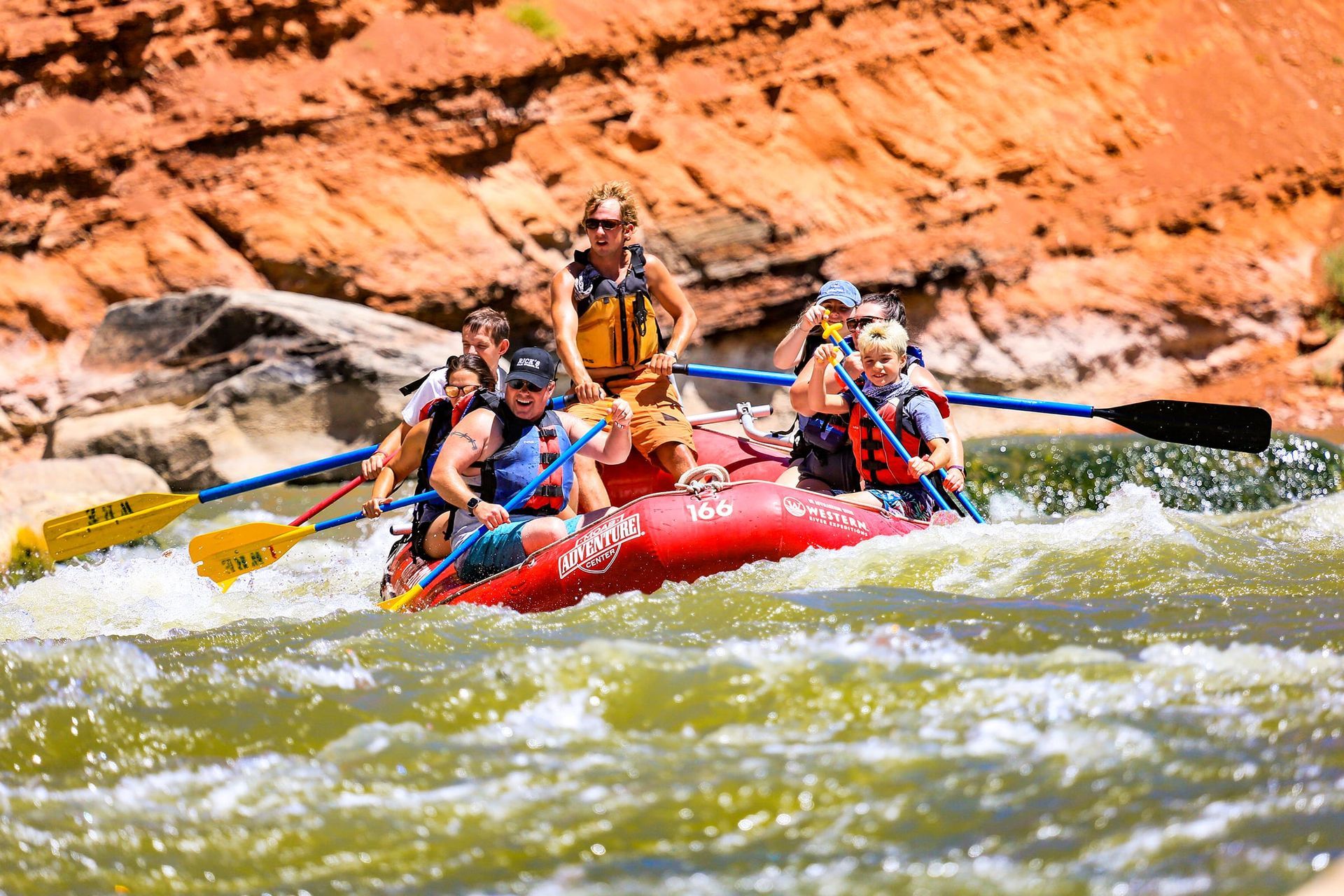
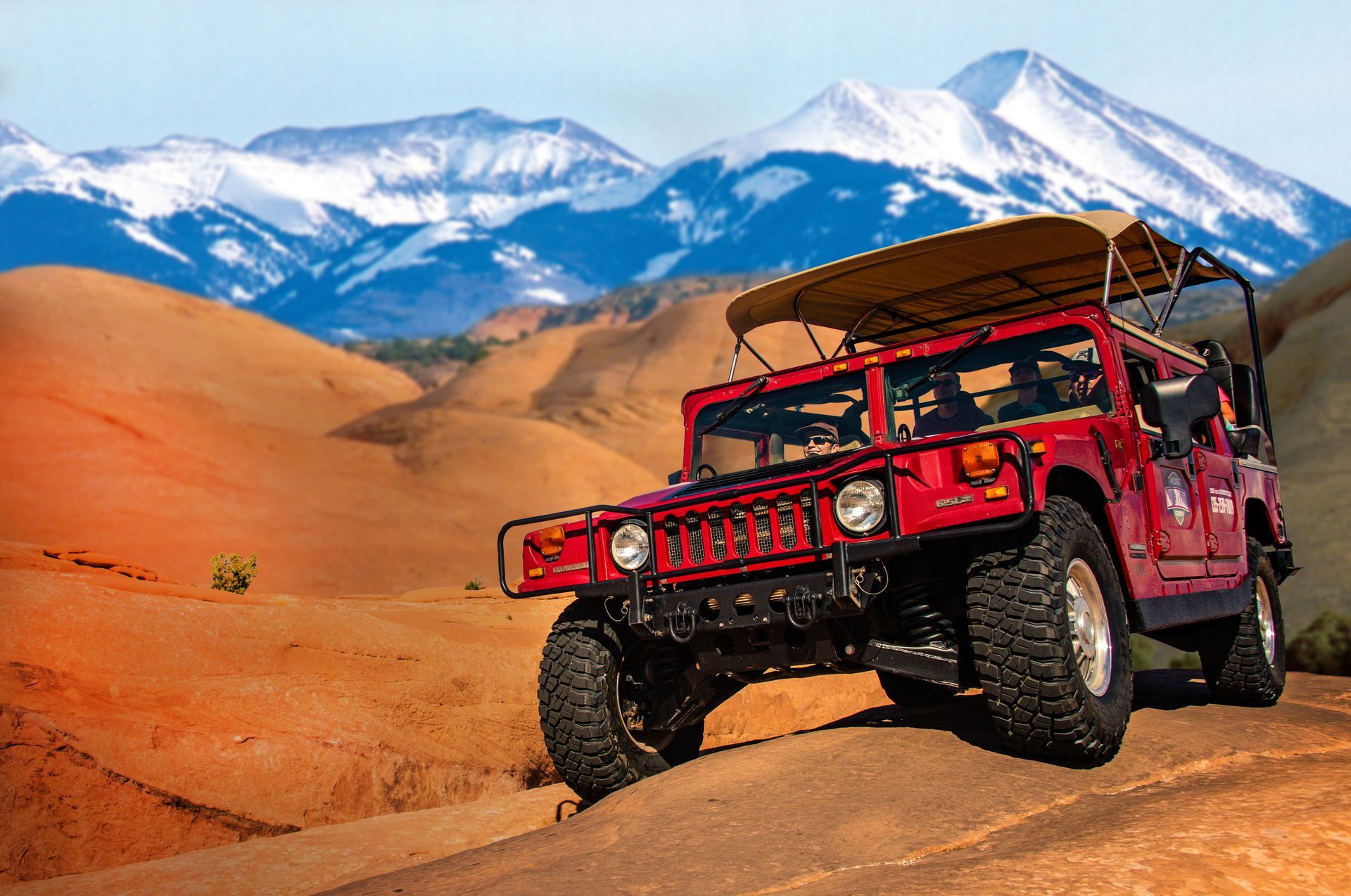
| Summer | 90–100°F | Moderate | River Rafting, Sunset Hummer Tours |
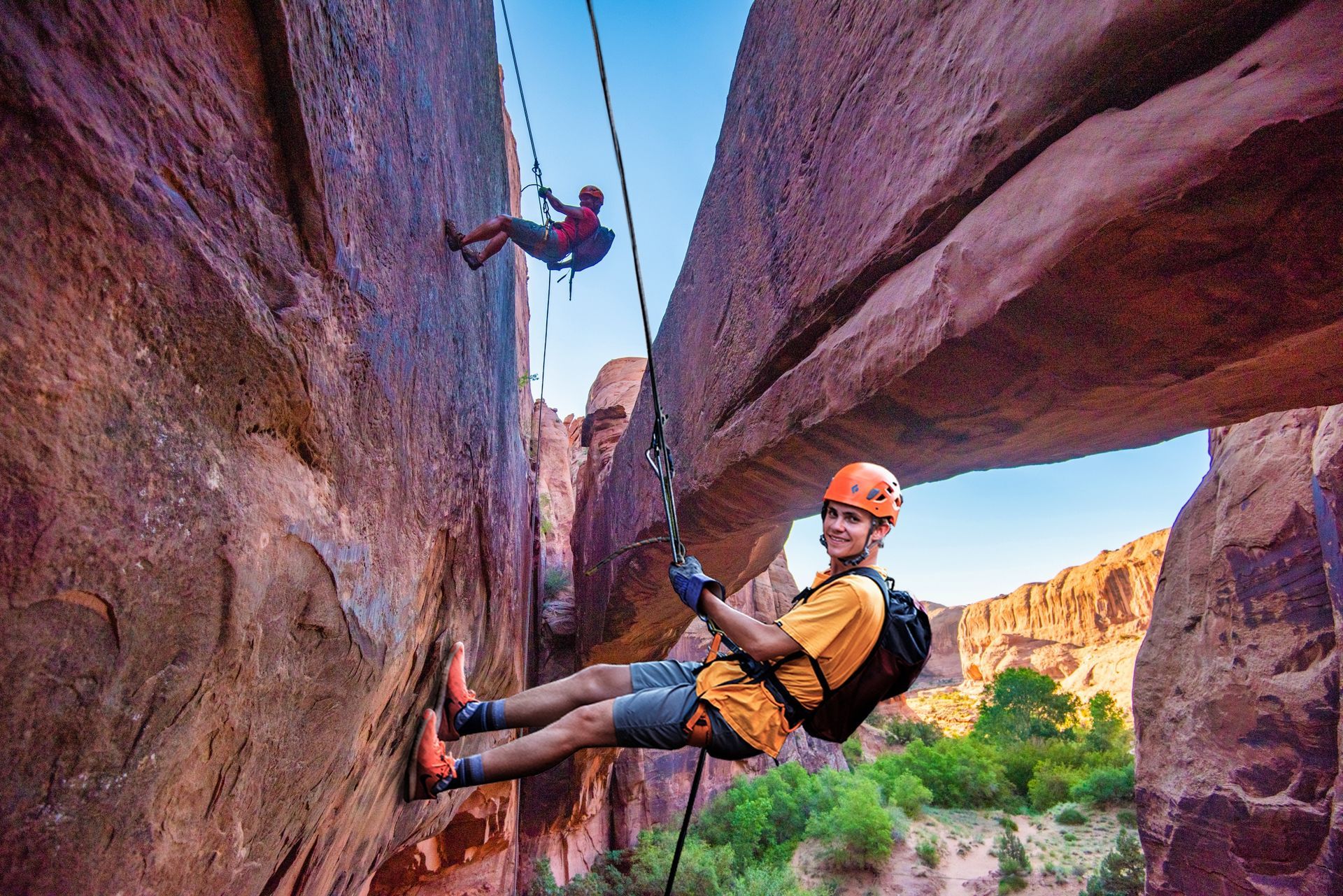
| Fall | 60–80°F | Moderate | Canyoneering, Hiking, Hummer Tours |
| Winter | 30–50°F | Low | Desert Exploration, Scenic Drives |

Detailed Seasonal Breakdown
The best time to visit Moab can vary depending on the season and the activities you want to experience. Moab’s weather, river conditions, daylight hours, and visitor traffic all change throughout the year, which means certain seasons are better suited for hiking, rafting, off-road tours, or exploring nearby national parks. The detailed breakdown below explains what to expect during each season in Moab and highlights when popular activities are typically at their best. These insights are based on real conditions we see throughout the year while guiding rafting trips, Hummer tours, and national park tours across the Moab area.
Spring in Moab (March–May)
Best for: Hiking, river rafting, mountain biking, canyoneering
Weather: Mild days and cool mornings
Crowds: High, especially in April and May
Spring is widely considered the most comfortable time to explore Moab. Daytime temperatures are warm without being extreme, desert wildflowers begin to bloom, and snowmelt from the Rocky Mountains raises water levels in the Colorado River.
These conditions make spring ideal for visitors who want to combine multiple adventures into a single trip. Many travelers start their day hiking or biking, spend the afternoon rafting through canyon scenery, and finish the evening with a sunset tour.
Popular activities include:
Local insight:
Late April and May typically offer the most balanced conditions for both land and river activities.
Summer in Moab (June–August)
Best for:
Whitewater rafting, sunset Hummer tours, family travel
Weather:
Hot afternoons, cooler mornings and evenings
Crowds:
Moderate to high
Summer in Moab brings long daylight hours and warm desert temperatures. Midday heat can be intense, but mornings and evenings often provide comfortable conditions for outdoor activities.
Many visitors plan hikes or bike rides early in the morning before temperatures rise, then spend the afternoon cooling off on the Colorado River. Summer rafting trips often include opportunities to swim and relax along the canyon.
Evenings are one of the most memorable times of day in Moab during summer. As the desert cools, sunset tours offer dramatic lighting across the red-rock landscape.
Popular experiences include:
Local insight:
Many experienced visitors schedule their most active adventures before 10 a.m. and reserve sunset tours for the evening.
Fall in Moab (September–October)
Best for:
Hiking, off-roading, mountain biking, rock climbing
Weather:
Cool mornings, warm afternoons
Crowds:
Moderate
Fall is a favorite season for many locals and repeat visitors. Temperatures begin to cool after summer, creating comfortable conditions for long days spent exploring Moab’s trails and canyon landscapes.
Autumn also brings golden light across the desert, making it an excellent time for photography and scenic tours.
While river levels are typically lower than in spring, rafting trips remain popular as scenic floats through the canyon.
Popular activities include:
Local insight:
Late September and early October often provide some of the most comfortable weather of the entire year.
Winter in Moab (October–November)
Best for: Photography, quiet exploration, scenic air tours
Weather:
Cool days, cold mornings, and evenings
Crowds:
Low
Winter offers a quieter and more peaceful experience in Moab. Trails are less crowded, and clear desert skies often create excellent conditions for photography.
Occasional snowfall can produce dramatic contrasts between white snow and red sandstone cliffs, giving the landscape a completely different appearance.
While some river trips operate seasonally, winter is still a great time for scenic exploration and visiting the national parks without peak-season crowds.
Popular experiences include:
- Winter Hiking & Photography
- Scenic Air Tours
- Stargazing & Dark Sky Viewing
- Scenic Drives & Desert Exploration
Local insight:
Winter mornings can be cold, but midday often brings calm, sunny weather that is ideal for hiking and sightseeing.
Most Popular Tours
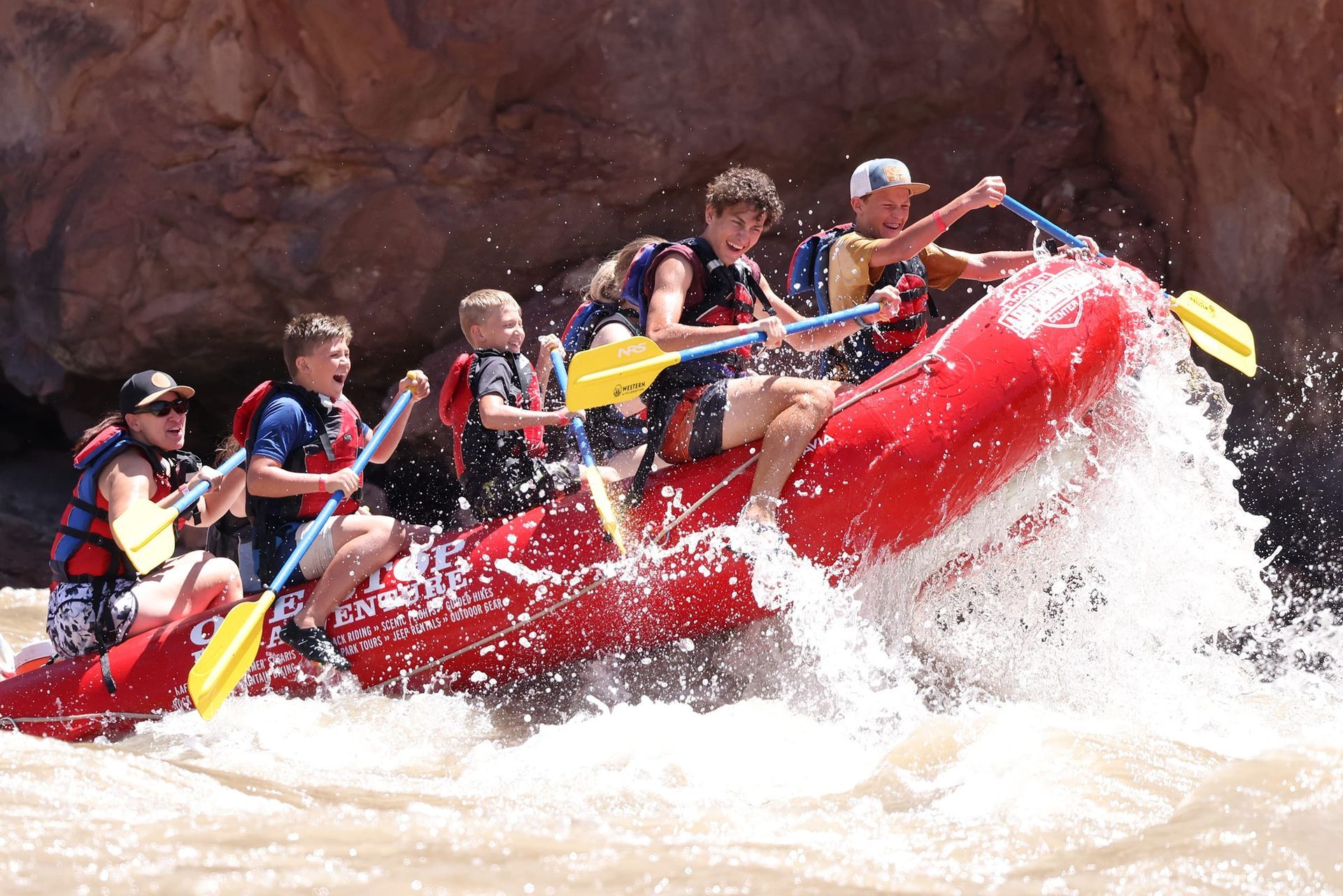
Colorado River adventure for all ages: Stunning canyons, famous Castle Valley, easygoing rapids, delicious riverside BBQ, and stories you’ll tell long after you dry off.
- Duration: ~7 hours
- Departures: 9:00 am Mon-Sat
- Season: Mar – Oct
ADULTS 13+
$155
YOUTH 5-12
$130
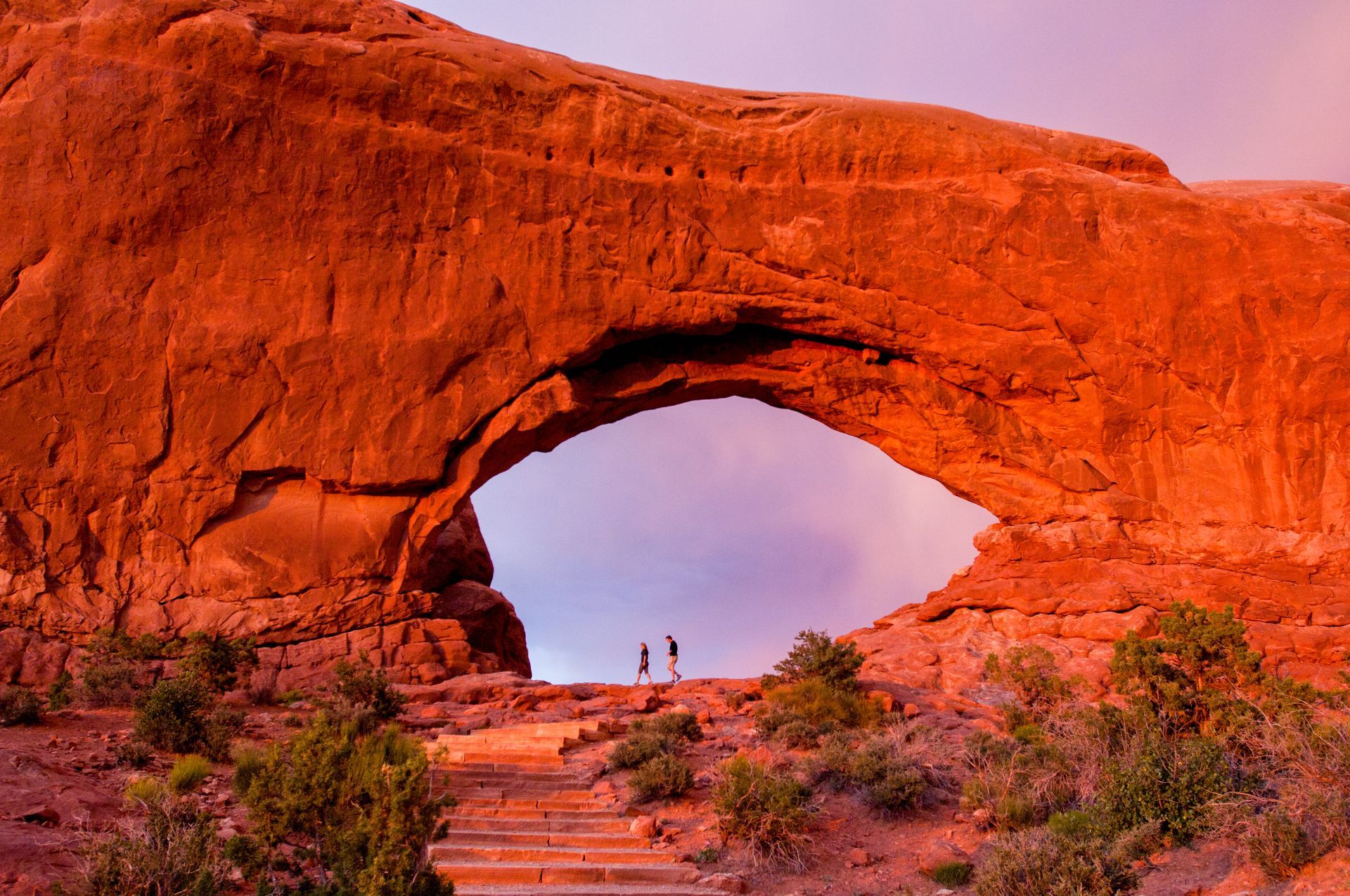
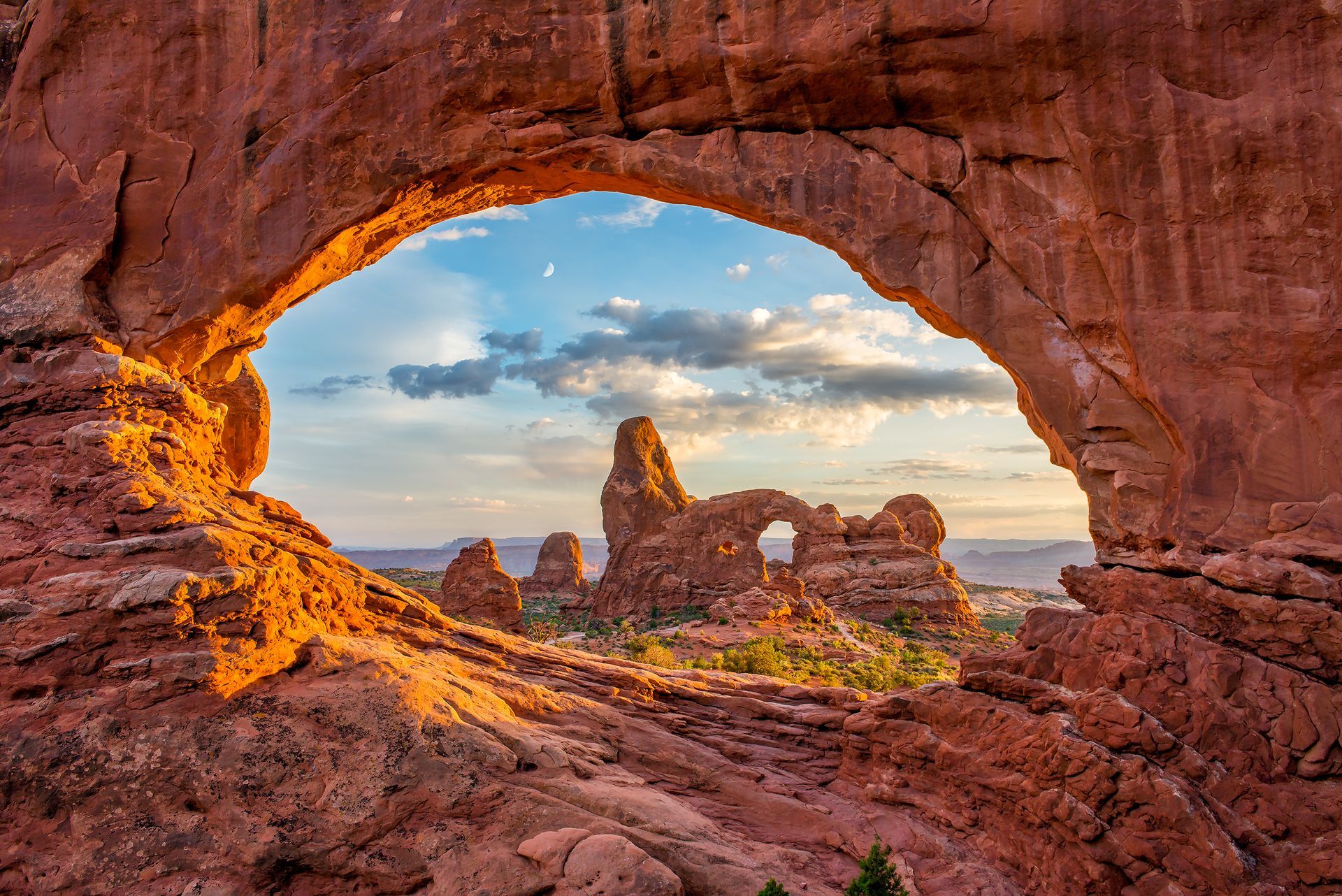
Witness Arches at its most magical: Golden hour light, fewer crowds, and fascinating stories shared by guides who bring the landscape to life.
- Duration: ~4.5 hrs
- Departures: Evening
- Season: Year Round
ADULTS 13+
$135
YOUTH 5-12
$115
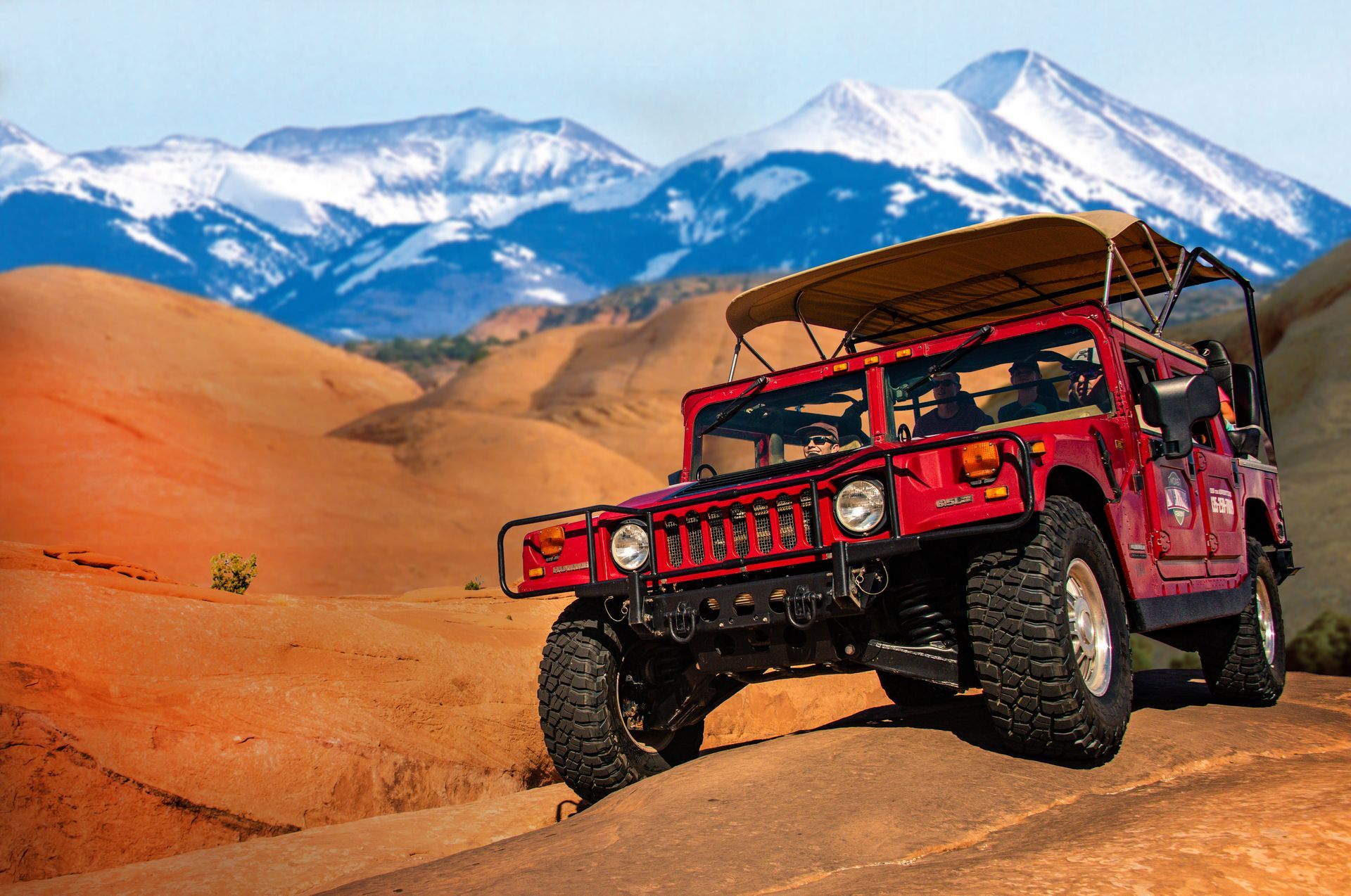
Moab’s wildest sunset: Steep climbs, unreal views, and golden-hour thrills on our most popular off-road adventure at the perfect time of day.
- Duration: ~3 hours
- Departures: Evening
- Season: Feb – Nov
ADULTS 13+
$145
YOUTH 5-12
$125
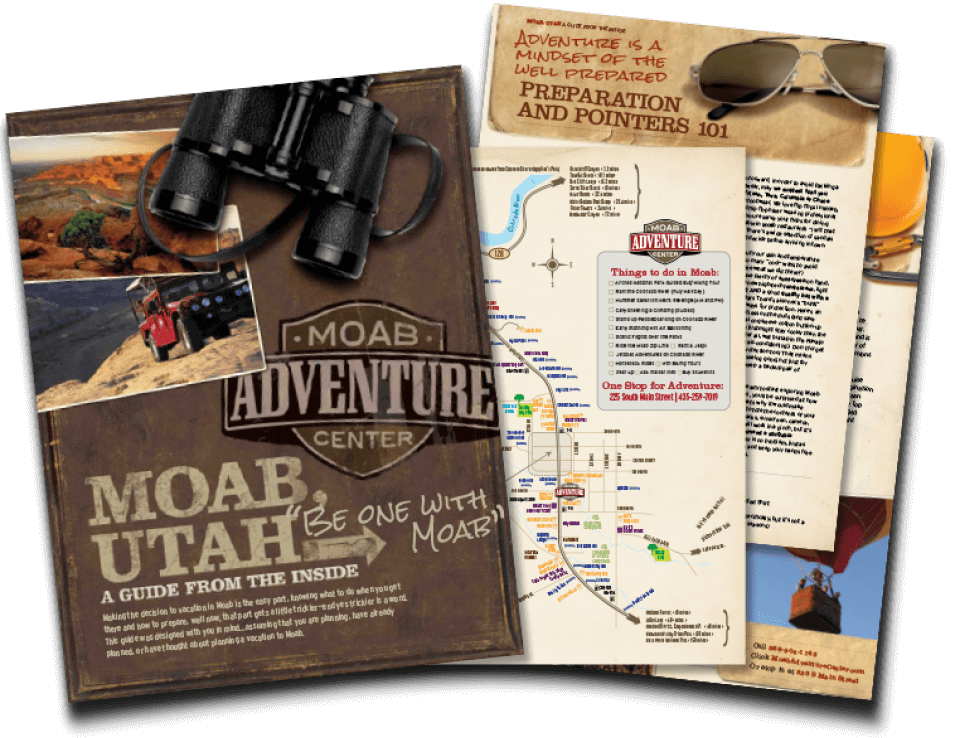
GET THE FREE MOAB INSIDER'S GUIDE!
Join our Moab Insider Email Series
and get our free Moab Insider's Guide
. It's your shortcut to where to stay, can't-miss adventures, recommended restaurants, hidden gems, and how to make the most of Arches & Canyonlands. Real local tips, easy itineraries, and expert advice so you can plan less and experience more
.
BECOME A MOAB INSIDER
With our Moab Insider's Gide and email series, you'll get local tips on the best dishes at restaurants, hidden adventures that most people miss, tips on when to visit, and a few more secrets on the side. Get all the essentials for the perfect Moab experience.
Free. Instant download. Unsubscribe anytime.
⭐️⭐️⭐️⭐️⭐️ 7,000+ 5-Star Reviews | 22-Time Best of State Winner