
MOAB, UTAH

Grandstaff Canyon Trail - Moab, Utah
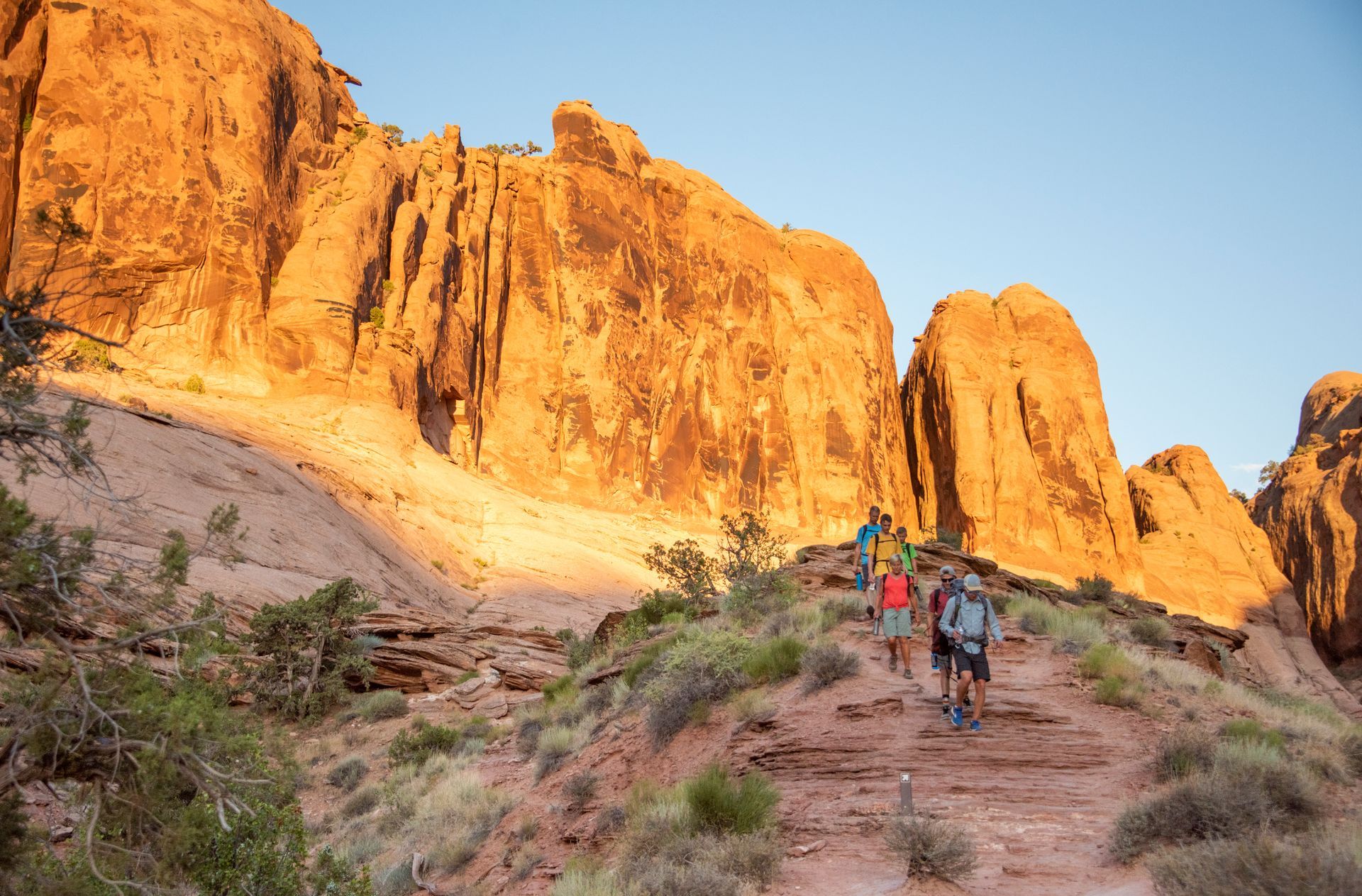
Just a few minutes from downtown Moab,
Grandstaff Canyon feels like stepping into another world. Towering sandstone cliffs, lush cottonwoods, and a cool desert stream guide you through a winding canyon that ends in a breathtaking reveal — the soaring span of
Morning Glory Arch, one of the longest natural bridges in the United States.
How to Access Grandstaff Canyon
Hike the Grandstaff Canyon Trail (The Standard Option)
- Distance: ~4.5 miles round trip
- Difficulty: Easy to moderate (some water crossings)
- Highlights: Canyon walls, stream crossings, shady alcoves, and the dramatic reveal of Morning Glory at the turnaround point.
This out-and-back hike follows a shallow stream through red rock corridors, offering a surprising amount of shade and greenery for Moab’s desert landscape. Along the way, you’ll pass hanging gardens, cross the creek several times, and discover quiet alcoves where the sounds of trickling water echo off sandstone walls.
At the turnaround point, the canyon opens dramatically to reveal Morning Glory Arch, spanning over 240 feet - the reward after a gentle but steady climb through one of Moab’s most photogenic canyons.
Morning Glory Canyoneering Adventure (The Epic Option)
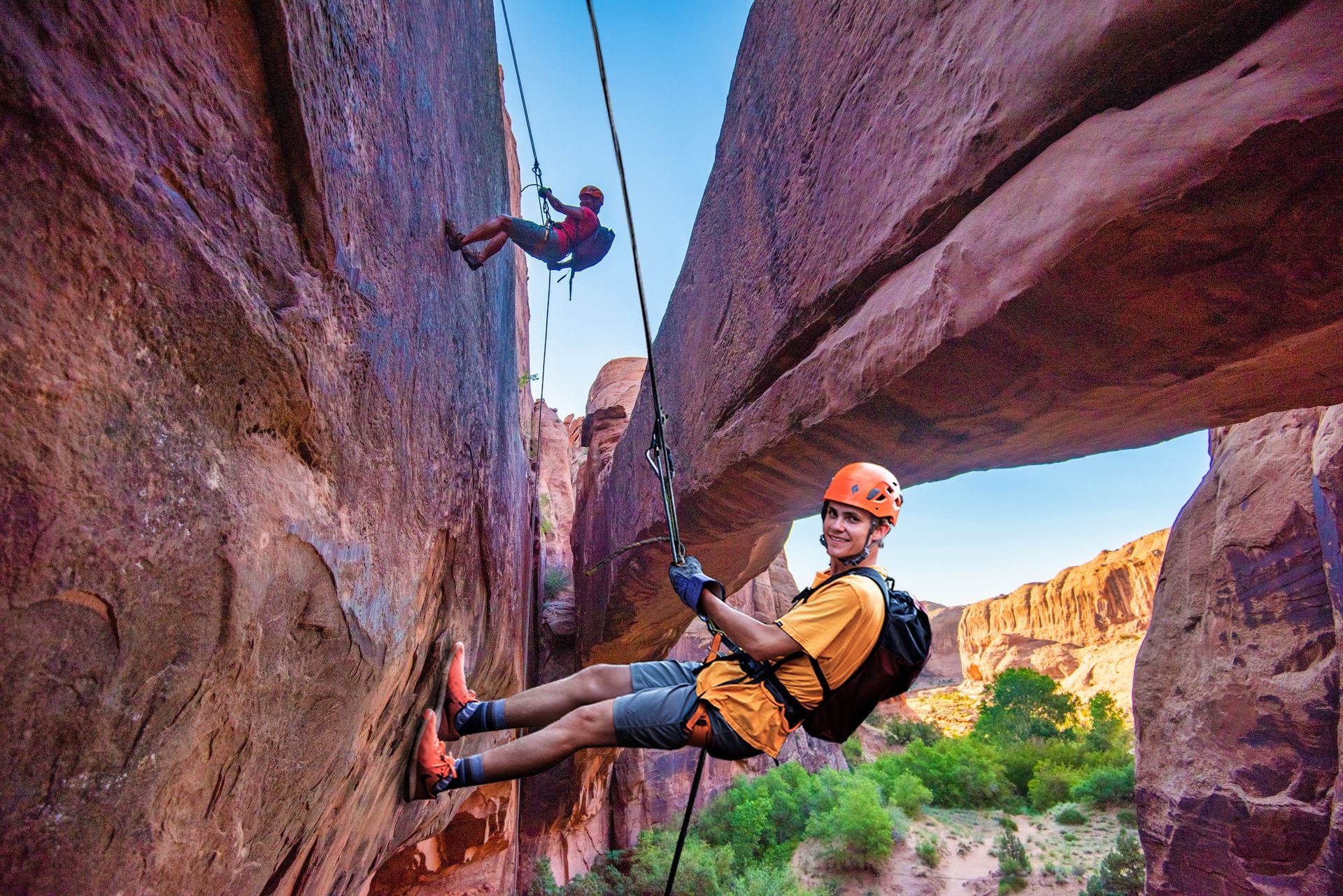
Want to experience Morning Glory from an entirely different perspective? Join a
guided canyoneering tour that takes you above Grandstaff Canyon before descending into it. Then enjoy the same hike out, but with the added adventure!
- Start with a scenic hike across slickrock into the Medieval Chamber, a hidden slot canyon.
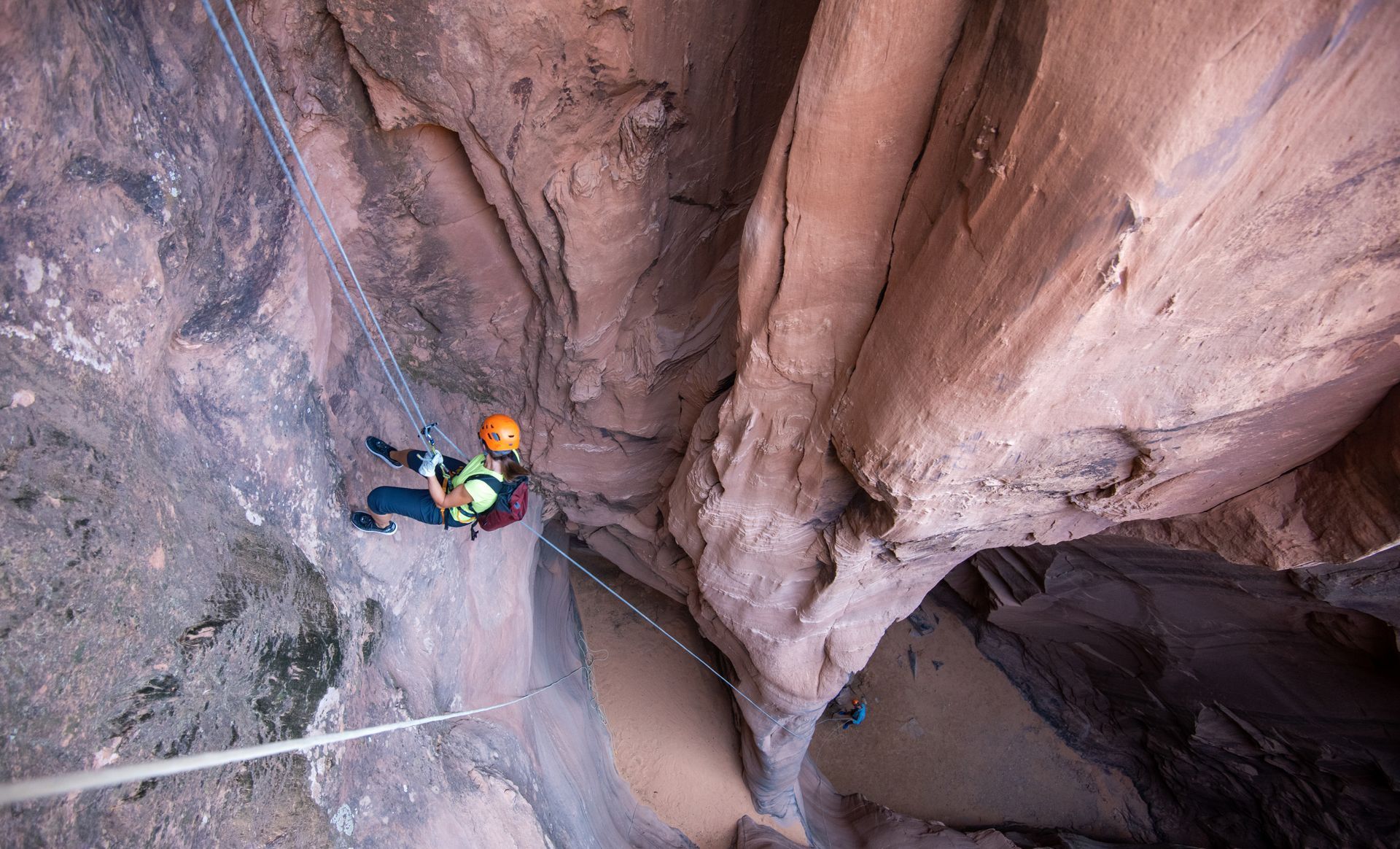
- Rappel more than 100 feet into the depths of the canyon.
- Finish with an unforgettable rappel from the rim of Morning Glory Arch itself into the shaded grotto below.
- Hike 2.25 miles one way to your shuttle back to Moab.
It’s one of the most thrilling and photogenic adventures in Moab — and it’s suitable for beginners with expert guides from
Moab Adventure Center leading the way. You’ll see the canyon the way only a handful of adventurers ever do.

History of Grandstaff Canyon
William Grandstaff, a Black frontiersman of Creole descent, was one of Moab’s earliest settlers in the late 1870s. He grazed cattle in this naturally fenced canyon, which locals once called “Negro Bill Canyon.”
In 2017, the name officially changed to
Grandstaff Canyon, honoring William’s pioneering role while reflecting modern respect and inclusivity. Today, hikers follow the same paths where Grandstaff once herded cattle beneath towering cliffs and along the cool stream that still winds through his namesake canyon.
Fun Facts About Grandstaff Canyon
A Hidden Spring
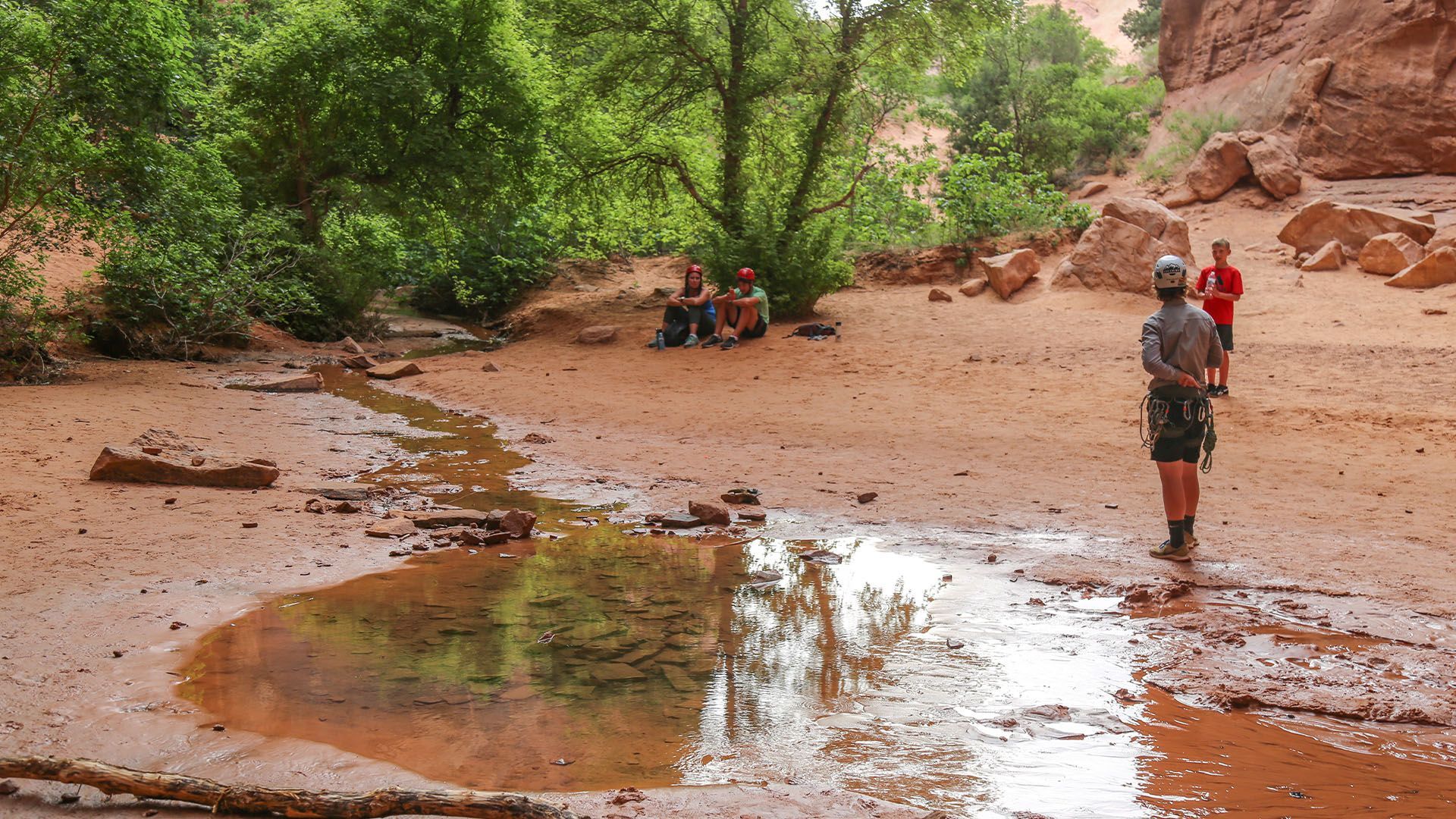
A rewarding natural spring gurgles out from a fissure between the rocks at the top end of Grandstaff Canyon, just under Morning Glory Arch. This fresh spring water is a welcome sound echoing off the canyon walls, and helps to keep things lush in the canyon. The gurgling spring water from the fissure at the canyon's terminus is perfect for hydrating before walking the 2.2 miles back to the trailhead, whether you hiked up, or rappelled down.
Ephedra's Grotto vs Medieval Chamber
Local guides still debate which feature deserves which name — the narrow upper slot known as the
Medieval Chamber, or the green oasis beneath the arch sometimes called
Ephedra’s Grotto. Either way, both are unforgettable highlights of the canyon’s canyoneering routes.
Questions about Grandstaff Canyon
HOW LONG IS THE GRANDSTAFF CANYON HIKE?
The most popular hiking destination within the Grandstaff Canyon trail system tends to be Morning Glory natural bridge located 2.2 miles from the trailhead.
WHY WAS GRANDSTAFF CANYON RENAMED?
The canyon, campground, and trailhead were renamed for William "Bill" Grandstaff to reflect his legacy of farming in the area during the late 1870's rather than focusing on his ethnicity or skin color. Prior to 2017 the canyon had been known as "Negro Bill Canyon".
IS CAMPING ALLOWED IN GRANDSTAFF CANYON?
Grandstaff Campground located near the trailhead along Highway 128 is managed by the Bureau of Land Management. There are 16 individual sites, pit toilets, but no water or RV hookups. Wilderness or backpacking permits and camping policies apply to camping within the canyon itself. Contact utmbmail@blm.gov for more information.
IS GRANDSTAFF CANYON CONSIDERED A WILDERNESS AREA?
Grandstaff Canyon, with a spring-fed stream that runs feeds a lush riparian ecosystem between the narrowing Navajo Sandstone walls was designated as a Wilderness Study Area in 2017.
CAN YOU FLY DRONES IN GRANDSTAFF CANYON?
Drones are NOT allowed in Grandstaff Canyon, not even with a permit. The canyon area is designated wilderness and enforced by the Bureau of Land Management. Morning Glory natural bridge and the Medieval Chamber slot canyon located just beyond the upper reaches of Grandstaff Canyon and therefore are just outside of the banned area.
HOW DO I GET TO THE GRANDSTAFF CANYON TRAILHEAD?
From downtown Moab, head north (Highway 191) toward the Colorado River bridge. Just before crossing the bridge, you will turn right, or east onto highway 128, or "River Road" as the locals call it. The trailhead for Grandstaff Canyon trail is located about 6 minutes (3.2 miles) from where highway 191 and 128 meet.
IS THERE PARKING AT GRANDSTAFF CANYON?
A small parking lot is available at the Grandstaff Canyon Trailhead. If you are hiking up the Grandstaff Canyon trail, this trailhead parking lot is your starting point.
Guests of the Morning Glory Arch Canyoneering Tour will finish their hike out of Grandstaff Canyon at this parking lot where a van will be waiting to return you to Moab and the Moab Adventure Center.
Not finding what you're looking for?
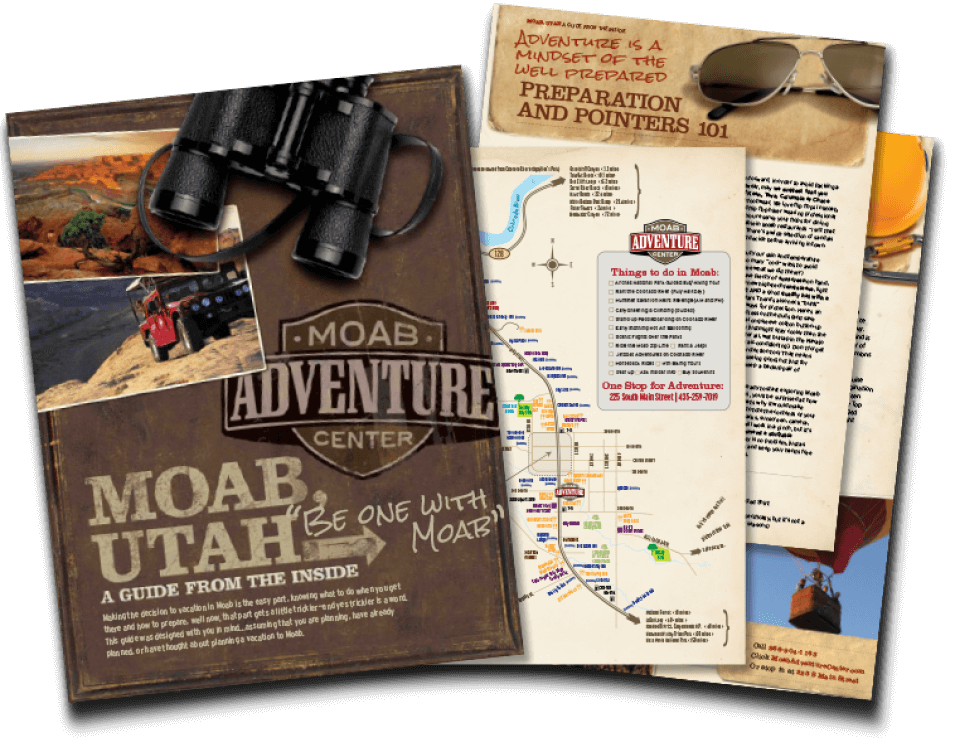
GET THE FREE MOAB INSIDER'S GUIDE!
Join our Moab Insider Email Series
and get our free Moab Insider's Guide
. It's your shortcut to where to stay, can't-miss adventures, recommended restaurants, hidden gems, and how to make the most of Arches & Canyonlands. Real local tips, easy itineraries, and expert advice so you can plan less and experience more
.
BECOME A MOAB INSIDER
With our Moab Insider's Guide and email series, you'll get local tips on the best dishes at restaurants, hidden adventures that most people miss, tips on when to visit, and a few more secrets on the side. Get all the essentials for the perfect Moab experience.
Free. Instant download. Unsubscribe anytime.
⭐️⭐️⭐️⭐️⭐️ 7,000+ 5-Star Reviews | 22-Time Best of State Winner