
MOAB, UTAH

How Are Arches Formed?
From Sand Dunes to Stone Windows: The Simple Science Behind Utah's Arches National Park
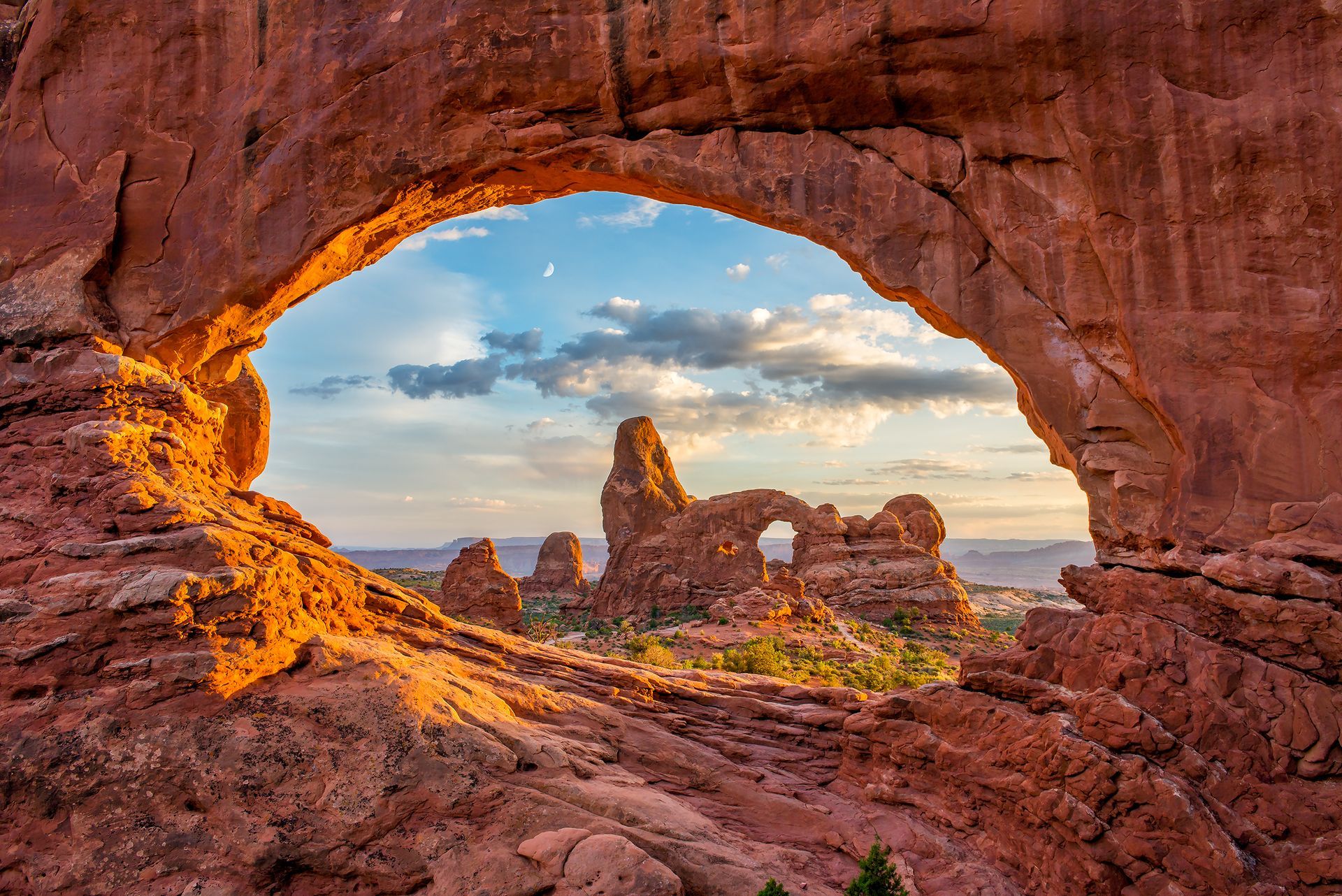
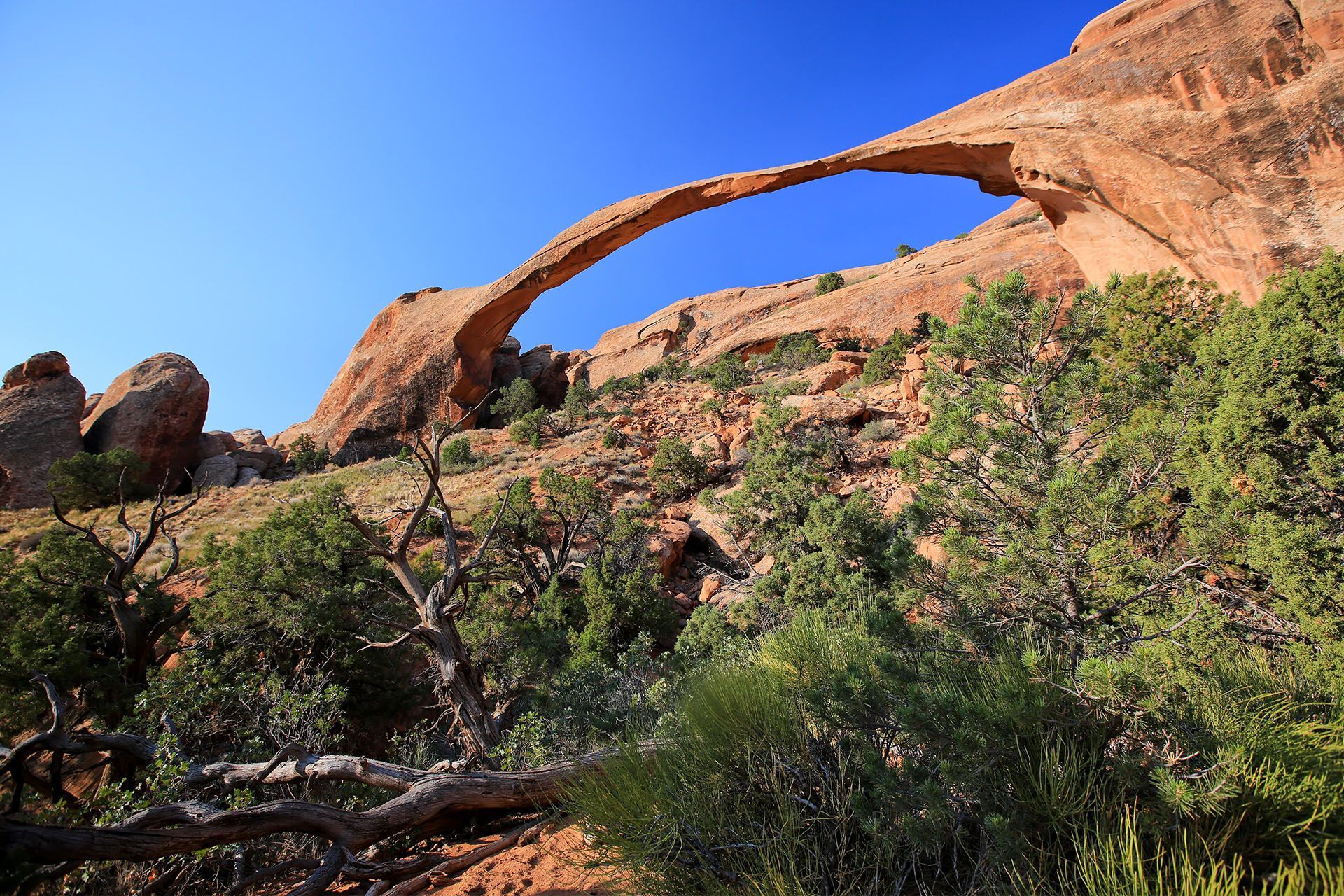
Arches form when layered sandstone—fractured by ancient salt deposits and uplift—slowly weathers. Water seeps into cracks, frost pries blocks apart, and wind scours softer grains, leaving fins. Openings enlarge from small alcoves to graceful spans like Delicate Arch. Moab’s unique geology makes arches common—and exploring with expert guides brings the story to life.

How Arches Are Formed
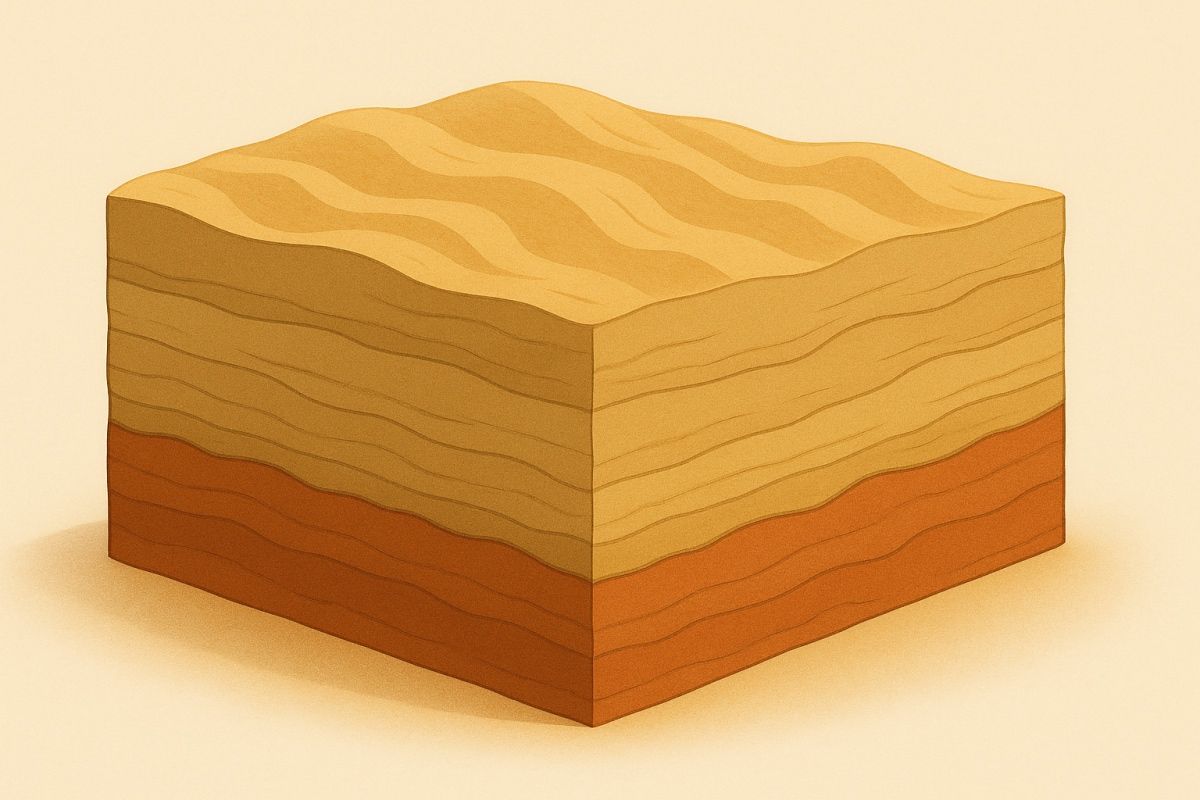
Rock Layers Take Shape
Roughly 150 million years ago, vast sand seas blanketed what is now Utah. Over time, pressure and mineral-rich water cemented those dunes into thick beds of sandstone—the Entrada and Navajo formations, each hundreds of feet deep. Buried beneath newer layers, they hardened into the perfect foundation for nature’s slow, sculptural masterpiece.
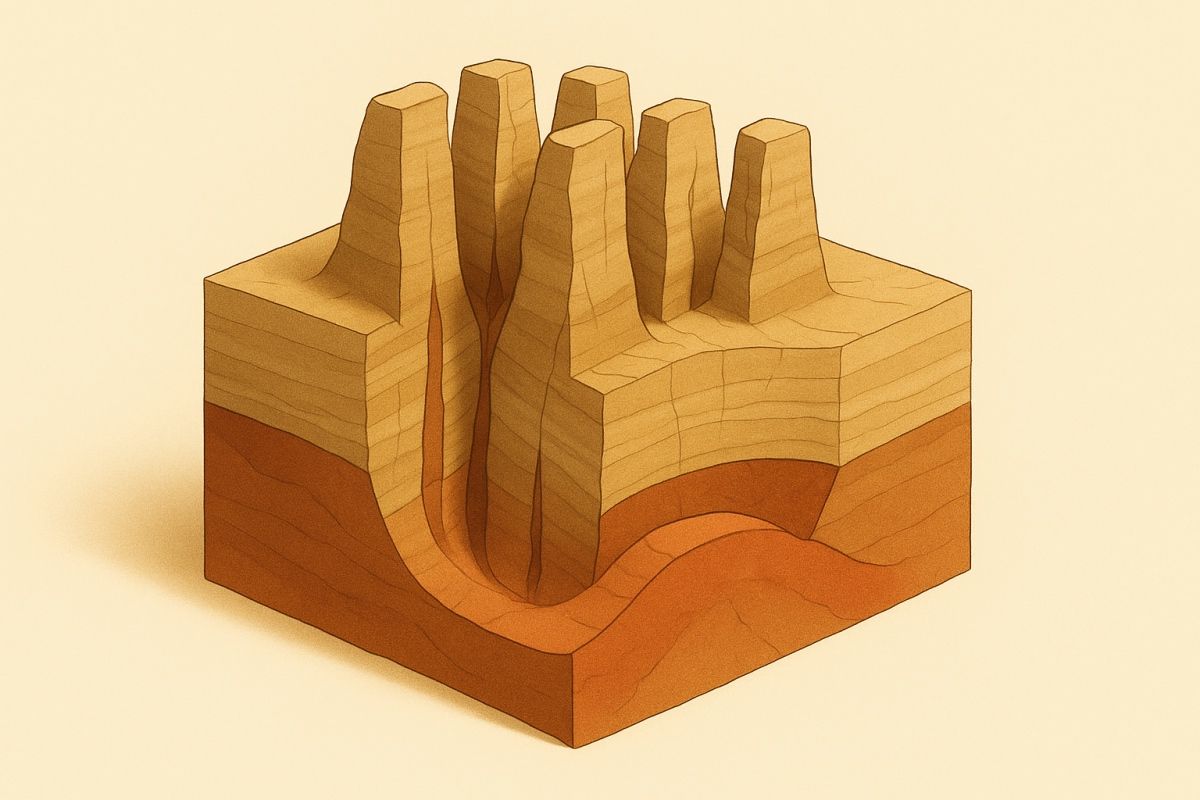
Salt Deep Below Shifts the Land
Far below, ancient salt beds of the Paradox Formation began to flow and bulge under pressure, bending the overlying rock. As this uplifted landscape warped, the Entrada Sandstone fractured deep underground. Later, as erosion stripped away the overlying layers, those cracks emerged as towering sandstone fins—the starting point for most arches.
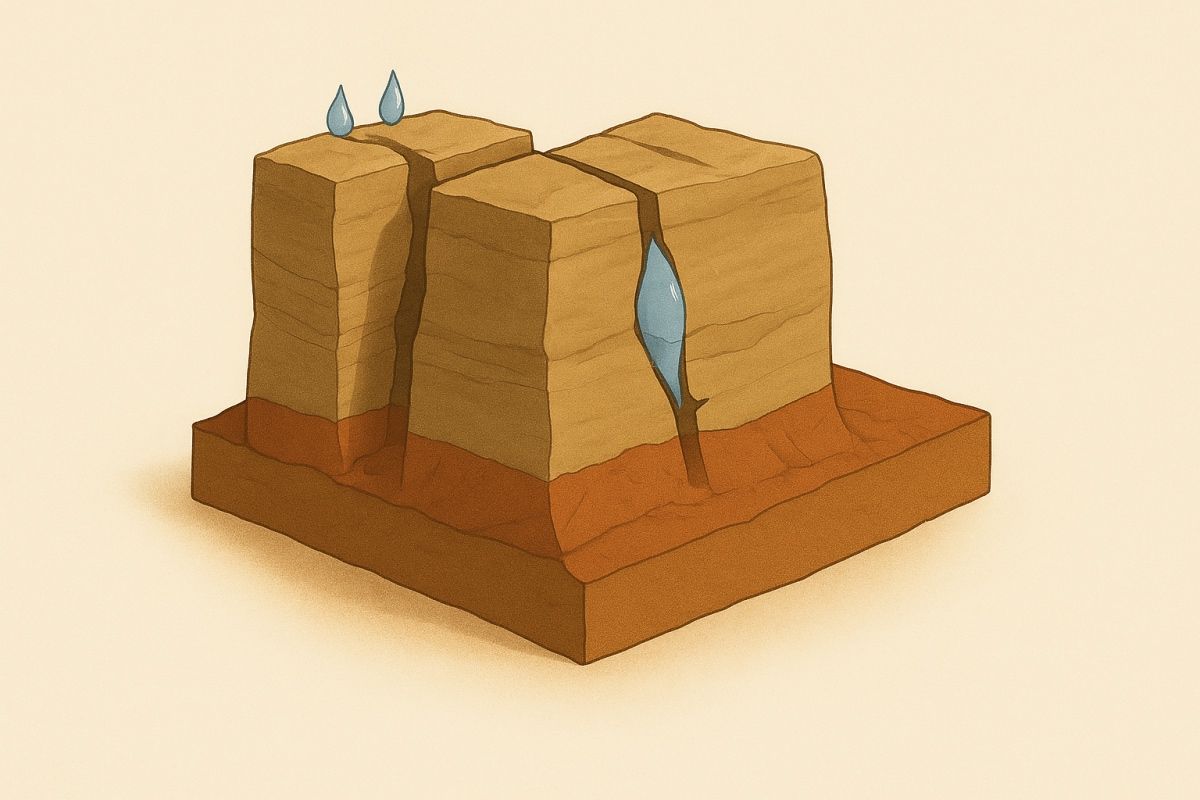
Water Works Its Way In
Rain and snow seep into the tiniest fractures. When temperatures drop, the water freezes and expands, prying the rock apart. Over thousands of freeze–thaw cycles, cracks widen while slightly acidic water dissolves the natural cement binding the sand grains. Eventually, loosened grains fall away, and the fin begins to thin.
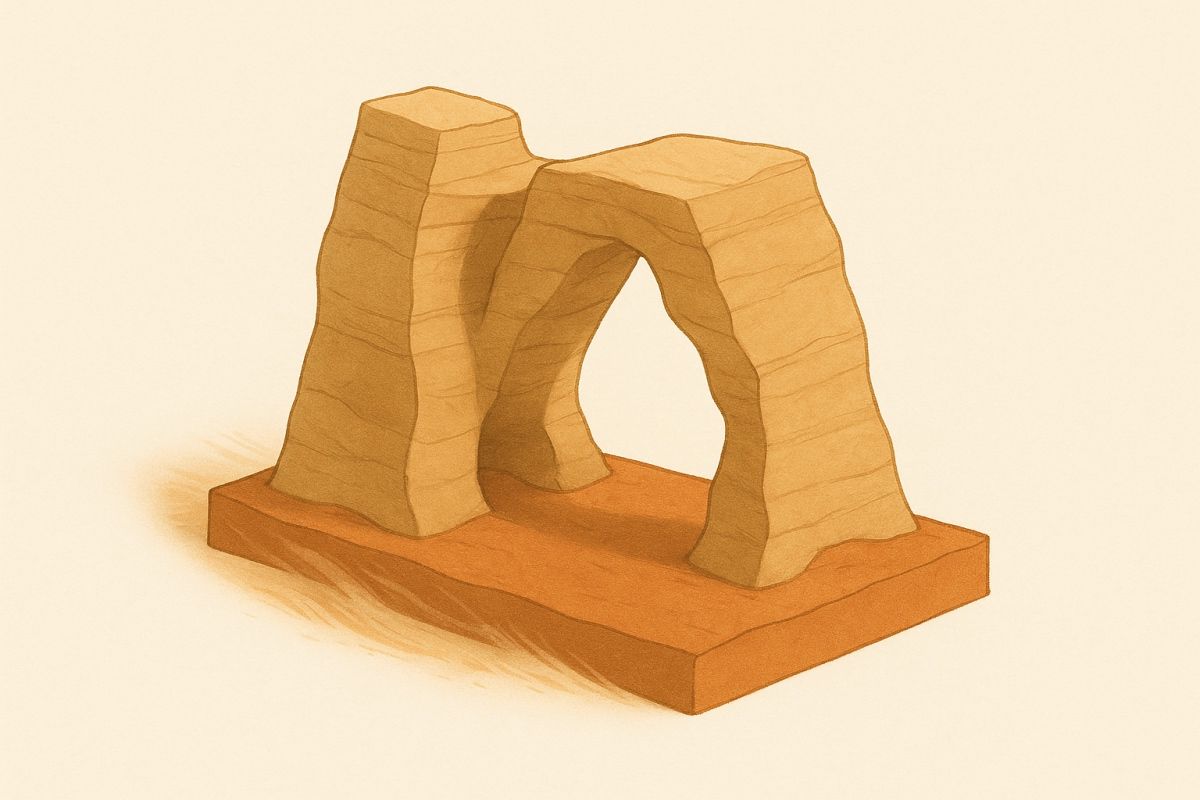
Wind and Time Carve the Opening
Wind-driven sand and runoff scour the sandstone’s softer spots, hollowing shallow alcoves that grow over time. As erosion continues from both sides, the alcoves meet, and an opening appears where solid stone once stood—a natural window ready to evolve into an arch.
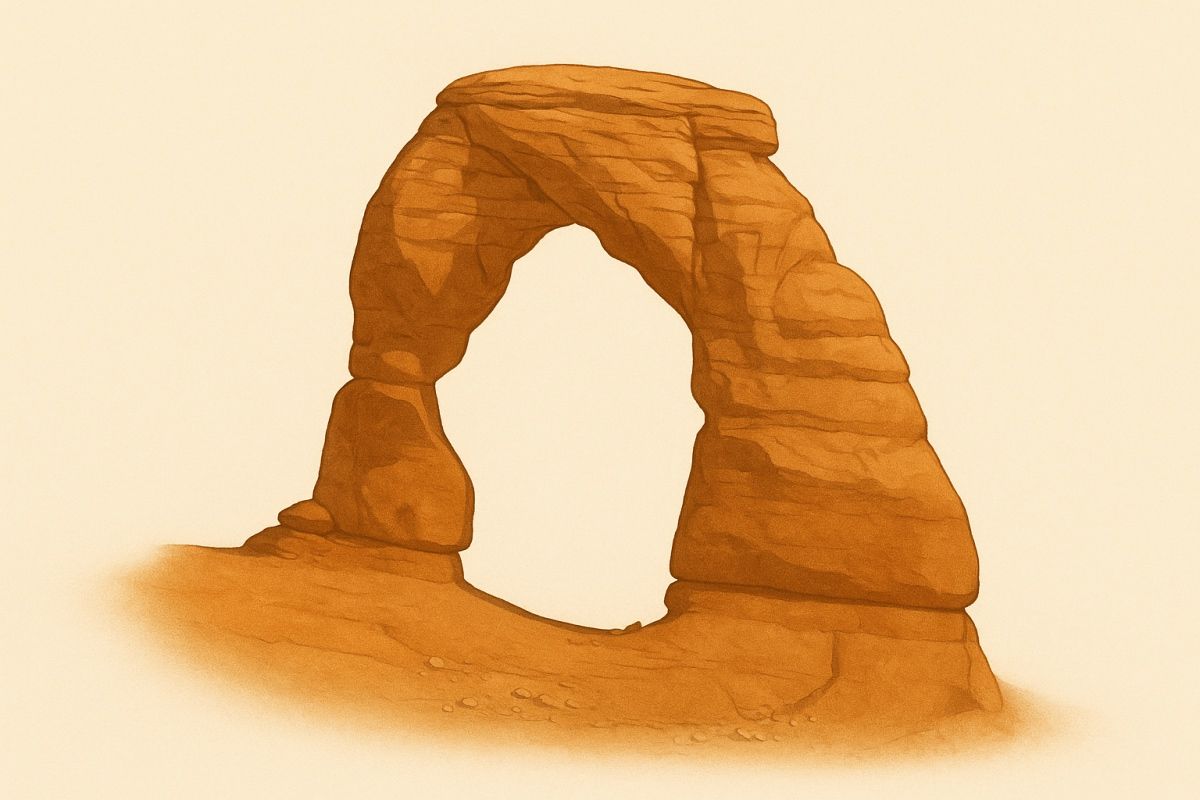
Nature Perfects (and Destroys) Its Art
The same forces that form arches also undo them. Rain, frost, and wind never stop their quiet work, slowly wearing each span thinner until it can no longer stand. Eventually, every arch collapses—but across the desert, new cracks are always widening, beginning the cycle again.
Come Experience Arches Up Close
Each of these steps unfolds over millions of years, yet when you finally stand beneath one of these stone windows, it feels alive—still shifting, breathing, and glowing in the desert light. The process that built Arches National Park is written in every curve and shadow, and once you know how to read it, the landscape tells its own incredible story.
Explore Arches National Park
- About Arches National Park
- Tours in Arches National Park
- Timed-Entry Tickets & Reservations
- Driving Through Arches National Park
- Best Time to Visit Arches
- Arches National Park Weather
- Camping in Arches National Park
- Lodging Near Arches
- Best Hikes in Arches
- Delicate Arch
- Pictures of Arches National Park
- Facts about Arches
- Arches National Park Map
Frequently Asked Questions
How long does it take for an arch to form?
Natural arches form over millions of years. The process begins when sandstone layers crack and separate, then erode slowly through water, wind, and temperature changes. Even a small opening you see today has likely been thousands of years in the making.
Why are arches so common in Arches National Park?
Moab’s geology is unique. The area’s thick sandstone layers—especially the Entrada and Navajo formations—were cracked and lifted by ancient salt deposits below. Those fractures created ideal conditions for erosion to carve fins, then arches. No other place combines those exact ingredients on such a massive scale.
Are there other places with natural arches?
Yes! Other places like Canyonlands National Park and Bryce Canyon National Park also feature natural arches, though Arches NP has the highest concentration.
Can I visit Arches National Park year round?
Yes, Arches is open year-round. However, some trails may be closed during winter due to snow or weather conditions.
Can I see the Arches up close?
You can hike several trails in Arches NP to get up close to the formations. For more detailed information, consider taking a guided tour that focuses on the geology of the park.
What type of rock are the arches made of?
Most arches are carved from Entrada Sandstone, a soft, fine-grained rock formed from ancient desert dunes about 150 million years ago. Some are also found in Navajo Sandstone, which is slightly older and more resistant.
How do arches eventually collapse?
The same forces that create arches—water, wind, and gravity—also destroy them. As erosion continues, the arch thins until it can no longer support its own weight. When it collapses, it leaves behind rock spires or new formations that may one day start the process again.
What’s the difference between an arch and a natural bridge?
An arch forms primarily through wind, frost, and erosion in sandstone fins. A natural bridge, like those found in Natural Bridges National Monument, forms when flowing water from a stream or river carves through rock. Same concept—different sculptor.
Can new arches still form today?
Yes! The cycle of formation and collapse is ongoing. New cracks are constantly opening in sandstone fins, and erosion is slowly shaping the next generation of arches right now.
What’s the most famous arch, and how was it formed?
Delicate Arch is the park’s most iconic formation. It began as part of a sandstone fin in Entrada Sandstone, where erosion widened an opening until the center fell away, leaving the graceful arch we see today.
How do scientists study or monitor the arches?
Park geologists and researchers use laser scanning, drones, and 3D modeling to measure arch thickness and movement. These tools help predict when parts may collapse and document changes over time without disturbing the formations.
Not finding what you're looking for?
Most Popular Arches National Park Tours
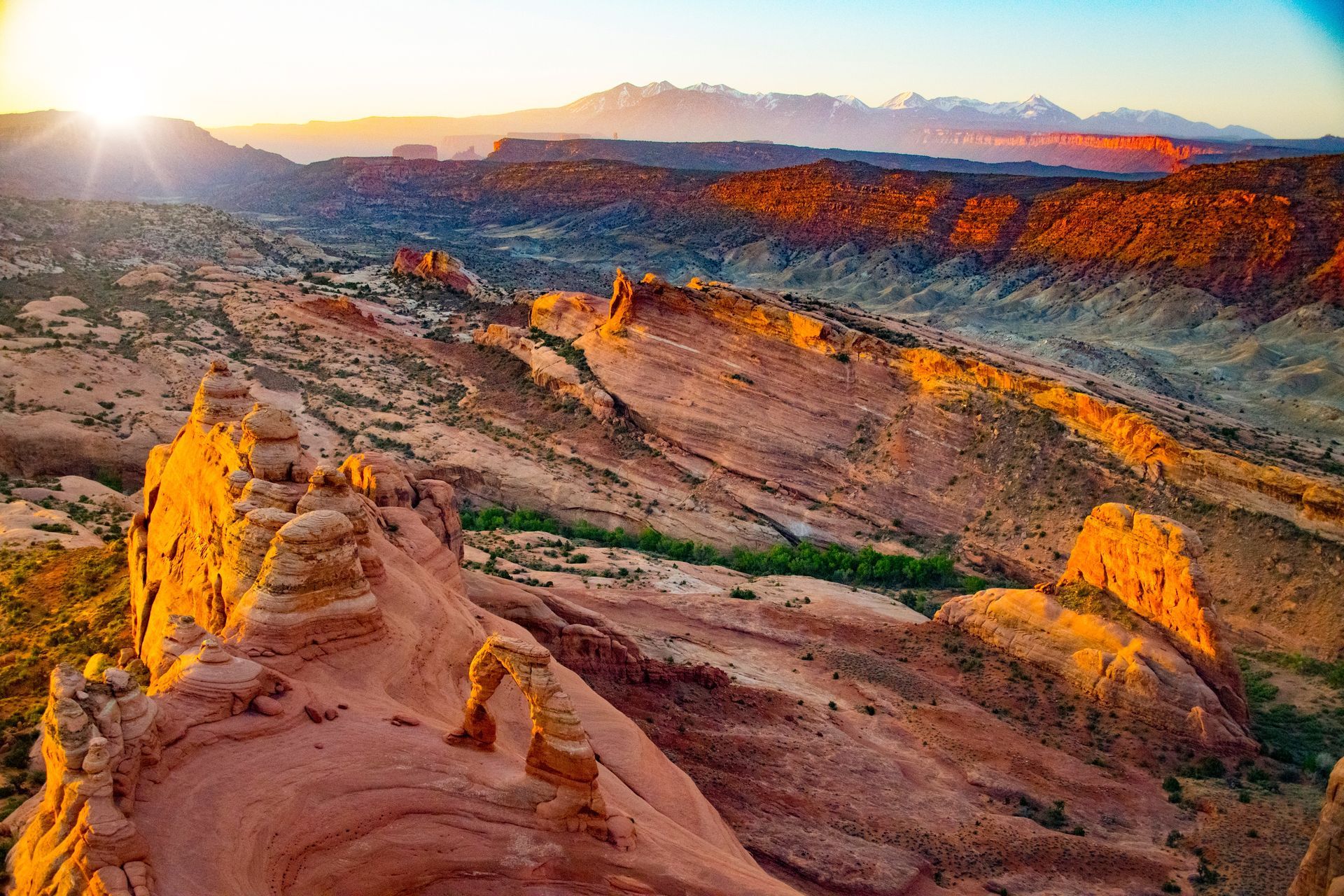
Soar above Arches in a scenic flight that reveals its hidden formations, sweeping vistas, and jaw-dropping beauty, all without the heat, crowds, or hiking.
- Duration: ~30 minutes
- Departures: 9am to 2pm
- Season: Year Round
ADULTS 13+
$228
YOUTH 3-12
$228
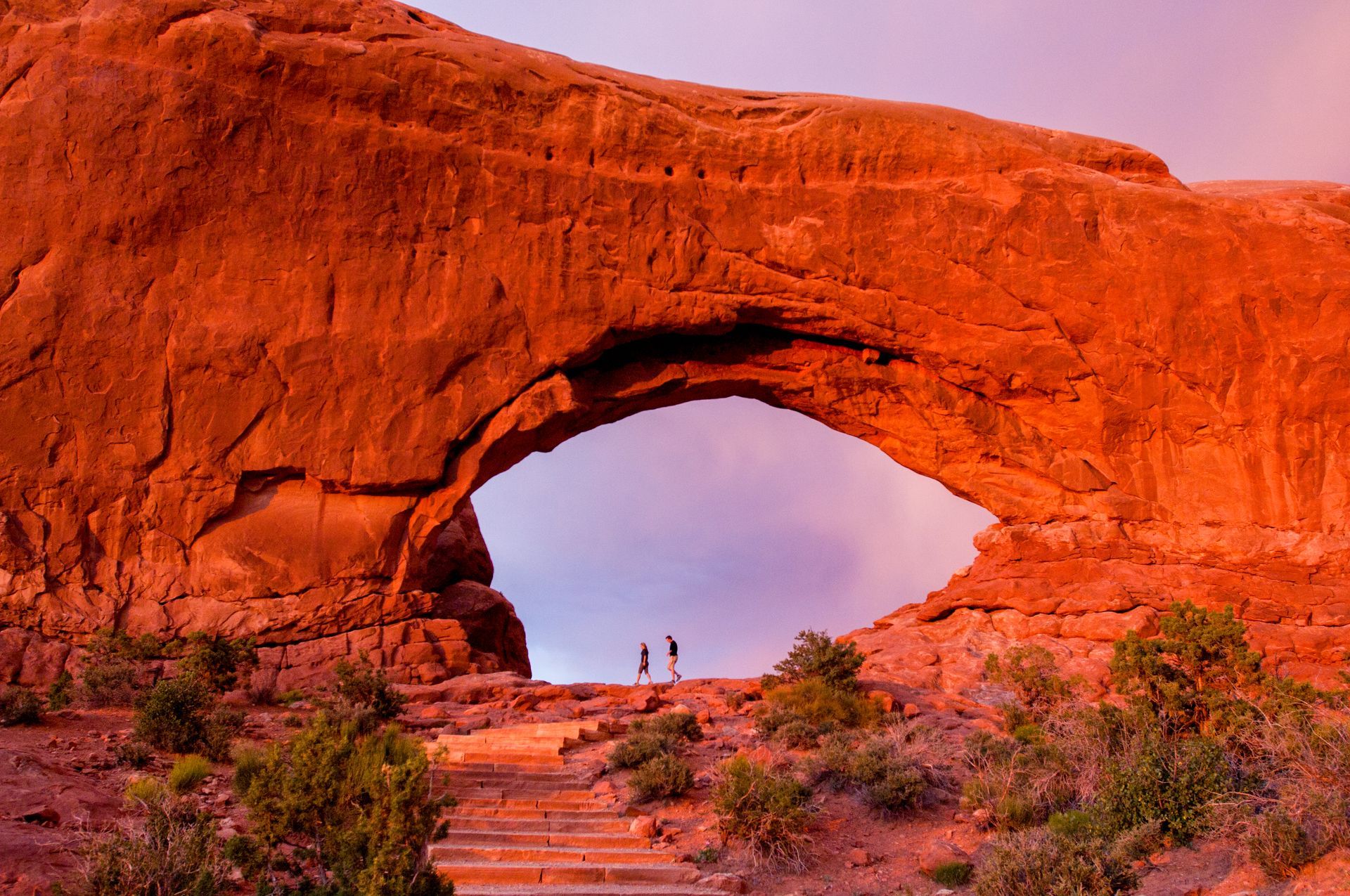
Witness Arches at its most magical: Golden hour light, fewer crowds, and fascinating stories shared by guides who bring the landscape to life.
- Duration: ~4.5 hrs
- Departures: Evening
- Season: Year Round
ADULTS 13+
$135
YOUTH 5-12
$115
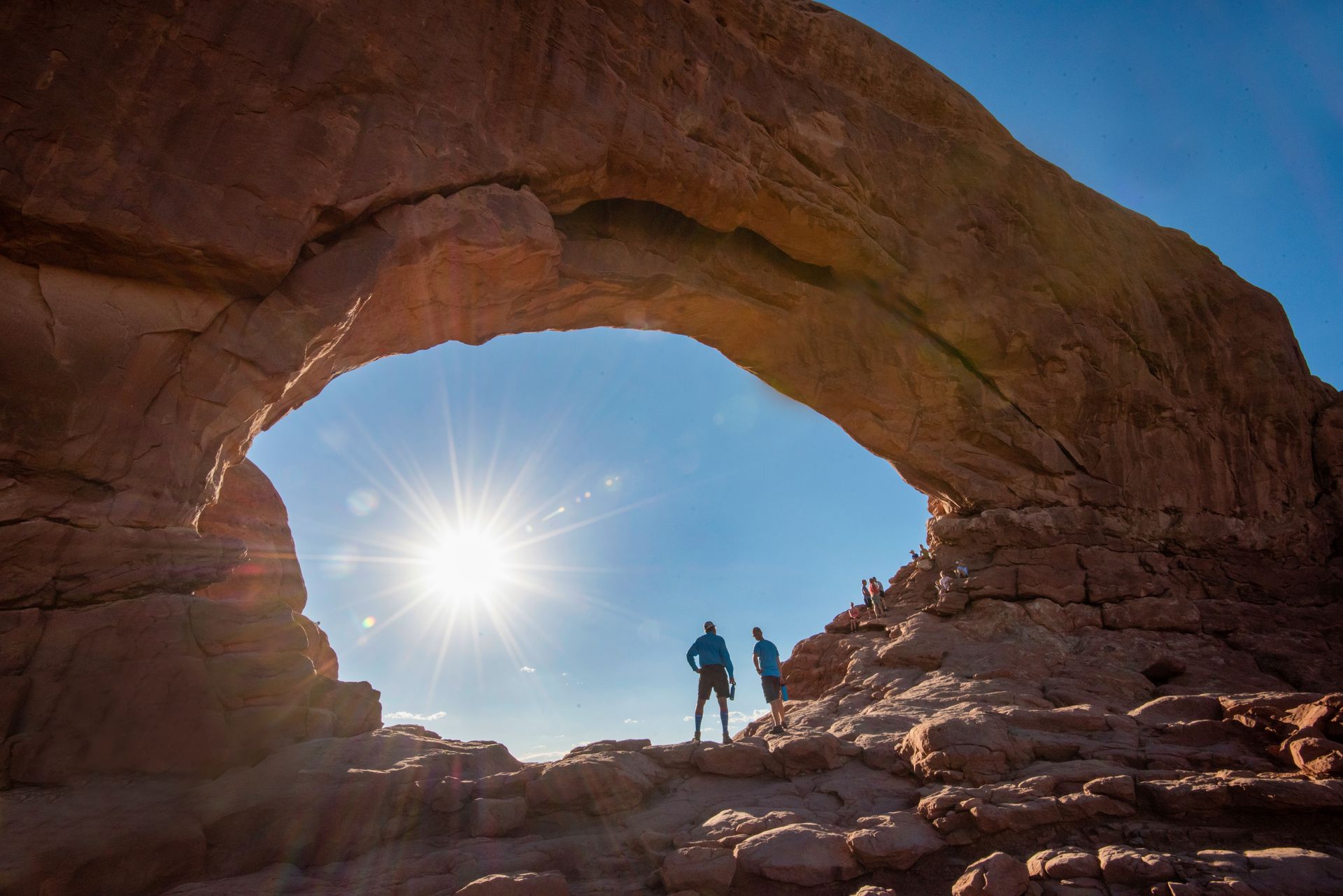
VIP access to Arches National Park: Expert guides, iconic sights, & mantle-worthy family photos without the hassle of parking or missing key sights.
- Duration: ~4 hrs
- Departures: Morning
- Season: Year Round
ADULTS 13+
$125
YOUTH 5-12
$105

GET THE FREE MOAB INSIDER'S GUIDE!
Join our Moab Insider Email Series
and get our free Moab Insider's Guide
. It's your shortcut to where to stay, can't-miss adventures, recommended restaurants, hidden gems, and how to make the most of Arches & Canyonlands. Real local tips, easy itineraries, and expert advice so you can plan less and experience more
.
BECOME A MOAB INSIDER
With our Moab Insider's Gide and email series, you'll get local tips on the best dishes at restaurants, hidden adventures that most people miss, tips on when to visit, and a few more secrets on the side. Get all the essentials for the perfect Moab experience.
Free. Instant download. Unsubscribe anytime.
⭐️⭐️⭐️⭐️⭐️ 7,000+ 5-Star Reviews | 22-Time Best of State Winner